Interview with Jennifer Phillips – Director of Supply Chain Planning at Edesia Nutrition
In 2024, women’s representation across the whole global workforce remained below men’s, constituting around 42%. However, this percentage decreases significantly as one moves into senior leadership roles: only 31,7% of them are performed by women.
These numbers reflect the situation in the humanitarian sector whose female workforce – especially leaders – is experiencing greater hardships related to the gender issue.
This framework given, why does women’s leadership matter in humanitarian NGOs? This blog tries to answer this question with the help of a woman leader in the sector.
The Importance of Women’s Leadership
According to a 2020 study, women generally have a different – complementary – leadership style than men thanks to the skills and strategies learned while overcoming systemic barriers throughout their stay in the mid-career phase.
As for the humanitarian sector specifically, a research conducted by UN OCHA found unique attributes that women bring to this sector, including the ability to speak to women from countries affected by humanitarian crises. Since women represent the 50% of the global population in need, this aspect becomes crucial for the effectiveness of humanitarian missions. This is why today’s “complexity and diversity of humanitarian emergencies require a different leadership style and alternative coordination models” (Spiegel, 2017). In other words, more female representation would put gender issues at the front of the global agenda, advocating more inclusive, diverse decisions.
The Perspective of a Woman Leader in the Humanitarian Sector
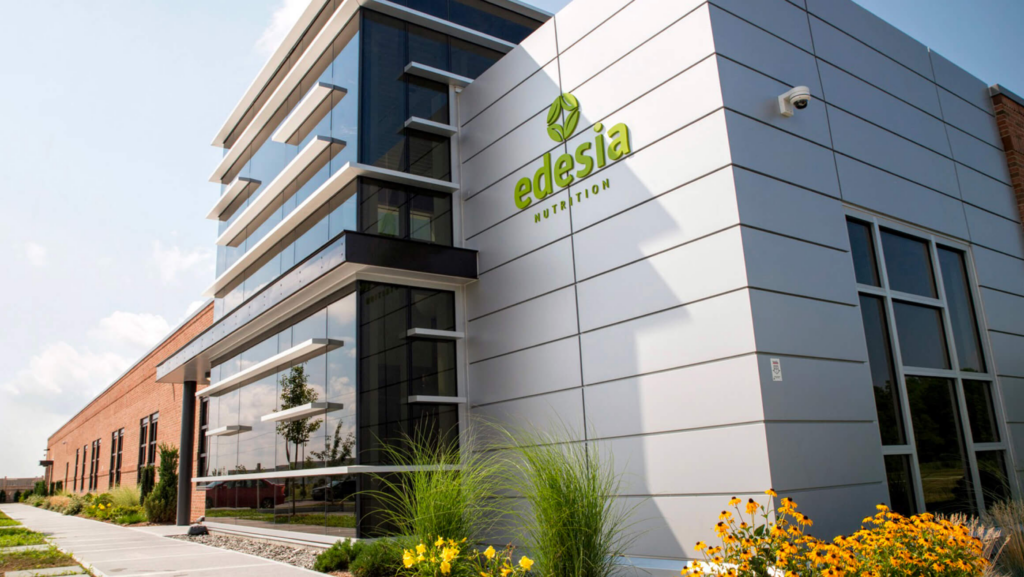
Edesia Nutrition is a non-profit enterprise founded in 2010 by a woman, Navyn Salem, and based in North Kingstown (Rhode Island, USA). The organization produces specialized food to target malnutrition around the world. It is thanks to their partnership that MOAS can send nutritional aid to Yemen, Somalia and Sudan.
Jennifer Phillips is the Director of the Supply Chain Planning at Edesia. Her work consists in ensuring that the products are available at the right time and place to meet the most urgent food crises, globally. As a woman leader in the humanitarian sector, we have been pleased to meet her and have an interview about her perspective on the topic of this blog:
What factors led you to start a career in the humanitarian sector?
For me, the humanitarian sector was very interesting because I learned that supply chains in this field were about 30 years behind in development from what we see in normal consumer product supply chains. Primarily, the reasons are related to the way the industry is structured, but also to a lack of professional expertise in this unique field. So, it was interesting to me to figure out why it was so far behind and what one can do to bridge the gap.
It is commonly said that women have stronger empathy and more health concern / care-taking orientation than men. Consequently, there are typically feminine characteristics (maternal instinct, altruism …), which determine the different leadership styles. Would you agree with this view?
I am lucky to have the experience of working with empathetic leaders that are both male and female. I do believe that empathetic leaders are critical for the work environment– this characteristic helps to bring the best out of your employees. So, if women embody these characteristics more than men, then I believe that there is an even stronger position/place for women in leadership.
Several research, works, and reports state that women are drastically underrepresented in the most senior leadership positions in the humanitarian sector, and this persistent gender inequality negatively affects the effectiveness of emergency responses. What is your vision about these statements?
Edesia is really exceptional in this– it is a woman-founded organization and many of our senior leaders are women as well.
Have you ever faced gender-related challenges? And how did you react?
I am really grateful to have a career full of both women and men who have supported my professional and personal growth. They have helped me to find my voice and grow in confidence as a leader.
What “lessons learned”, and what recommendations would you pass on to girls/women who would like to pursue a career as a leader in the humanitarian sector?
Don’t try to do it like someone else has done it: find your own superpower. If you try to lead in a way that’s not genuine or true to yourself, the result won’t be that effective. So, I would just say embrace those things that are true to yourself.
Final Thoughts
Women leaders have the power to shape the humanitarian system to meet better the needs of those affected by humanitarian emergencies. Currently, many NGOs are making great steps to address the gender gap, thus enhancing the outcomes of their missions. Edesia is one of them. However, there is a still long way to go before reaching full parity globally. That’s why everyone, in his/her own small way, must take action for this cause, even just by sharing good quality information on the issue. We at MOAS, in the month in which International Women’s Day is observed, try to contribute through sharing content like this article, hoping to raise awareness of the gender issue, with a special focus on future generations.
Your support can make a difference. Please consider donating to help us continue our missions and save lives. Visit www.moas.eu/donate to contribute. For more updates on our work, follow us on social media, sign up for our newsletter, or contact us at [email protected].
Funded by the European Union. Views and opinions expressed are however those of the author(s) only and do not necessarily reflect those of the European Union or the European Education and Culture Executive Agency (EACEA). Neither the European Union nor EACEA can be held responsible for them.