
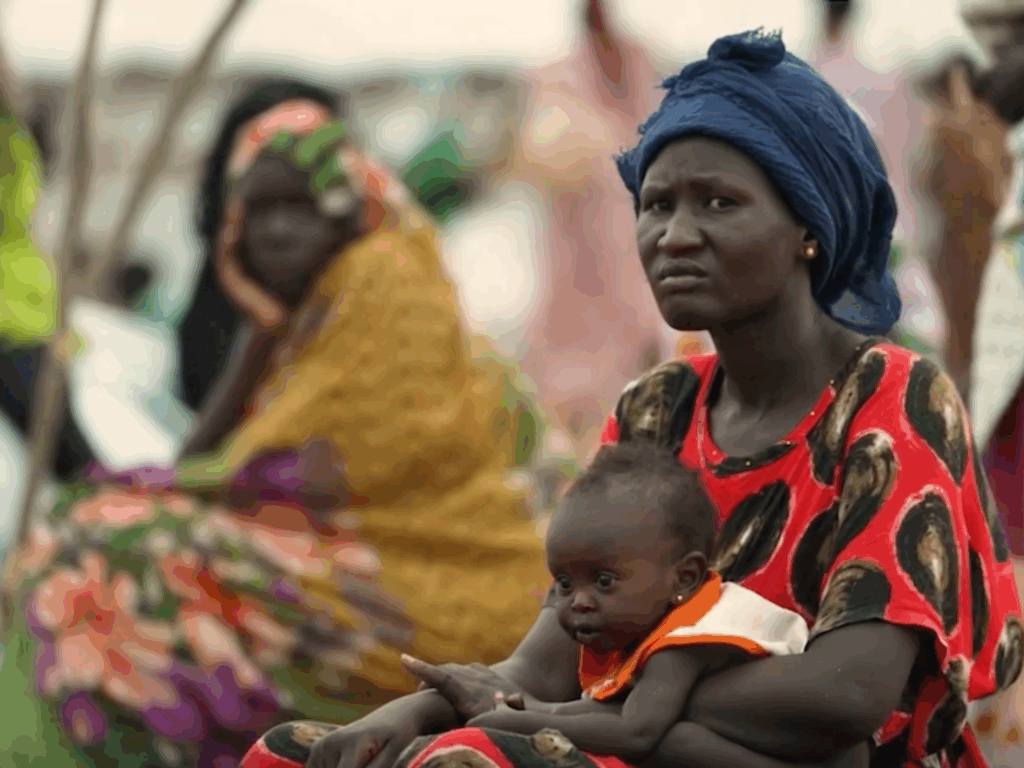
Have you ever felt that knot of fear in your stomach when you sense someone watching you too closely, when a look or a word suddenly makes you feel unsafe? Most women know that feeling, the instinct to walk faster, to keep the keys between your fingers, to stay alert. Now imagine living with that fear every day, in a place where bombs fall, homes are destroyed, and law and order have collapsed. For millions of women caught in war, fear is not just a passing moment; it becomes a way of life.
Violence against women is one of the most widespread human rights violations in the world. The United Nations defines it as any act of gender-based violence that results in, or is likely to result in, physical, sexual, or psychological harm. According to UN Women, nearly one in three women globally has experienced physical or sexual violence in her lifetime, most often at the hands of someone she knows. These figures only hint at the reality behind them, because many cases go unreported due to fear, stigma, or lack of protection.
When violence and conflict erupt, this hidden crisis deepens. Women and girls are not only targeted directly but also suffer the collapse of essential services, from healthcare to shelter and justice systems. For those forced to flee their homes, every step of displacement brings new risks of trafficking, exploitation, and abuse.
Violence Against Women in Conflict
Conflict makes existing inequalities worse, turning women’s bodies into targets. War and instability increase the risk of killings, torture, sexual assault, and forced marriage, often used deliberately to intimidate, humiliate, and control entire communities.
The UN has long recognised the problem. Resolution 1325, adopted in 2000, called for the inclusion of women’s voices in peacebuilding and the integration of gender perspectives across all peace and security work. Later resolutions, including 1820 (2008) and 2467 (2019), went further, highlighting sexual violence as a tactic of war and urging survivor-centred approaches to prevention, justice, and recovery.
Despite these efforts, the reality on the ground remains very serious. Wherever conflict breaks out, sexual violence follows. The UN estimates that for every reported case of conflict-related rape, 10 to 20 go unrecorded. Survivors often stay silent out of fear, shame, or lack of access to justice. Violence takes many forms (rape, sexual slavery, forced marriage, sterilisation, and trafficking), each leaving lasting scars on women, families, and communities.
Intimate partner violence also rises during war. Displacement, trauma, and economic hardship magnify existing patterns of abuse, while factors like poverty, disability, or ethnicity increase vulnerability. Gender-based violence in these contexts is not only a violation of human rights, it blocks recovery and peace, keeping communities trapped in cycles of fear and trauma.
Even with growing awareness, support for GBV programming is minimal with less than 1% of UN humanitarian funding that went to such initiatives. Alarmingly, some aid workers have themselves exploited women and girls in crisis zones, such as in Sudan. These abuses underline an urgent truth: humanitarian action must prioritise protection, accountability, and survivor-centred care, or it risks doing harm instead of good.
Resilience Under Fire: Ukrainian Women Confront Gender-Based Violence
In Ukraine, now entering its fourth year of full-scale war, gender-based violence has risen sharply. The conflict has drastically increased the risks of domestic and sexual violence, particularly for displaced and economically vulnerable women.
With men mobilised at the front and women assuming primary caregiving and economic roles, traditional gender roles have shifted and, in some respects, become more rigid. Many women report feeling caught between old expectations and new burdens, expected to keep families united while managing trauma, loss, and uncertainty. This mix of insecurity, displacement, and financial hardship is driving many women and girls to their breaking point.
Destruction of homes, infrastructure, and restricted humanitarian access have made it harder than ever for survivors to reach support. Frontline areas remain especially dangerous, with internally displaced women, women with disabilities, and ethnic minorities disproportionately affected. Many returning soldiers face post-traumatic stress and psychological exhaustion, which can contribute to aggression and domestic abuse. At the same time, women in the military often encounter discrimination, harassment, and a lack of recognition. As wartime pressures reshape gender roles, these tensions can feed cycles of violence both inside and outside the home.
Despite these immense challenges, Ukrainian women continue to demonstrate extraordinary resilience. They lead community initiatives, support one another, and call for justice and accountability. Their determination highlights a vital truth: preventing gender-based violence is not optional, it saves lives and demands ongoing international support and gender-sensitive humanitarian action.
Weapons of War: Sexual Violence Against Women in Sudan
In Sudan, the conflict between the Sudanese Armed Forces (SAF) and the Rapid Support Forces (RSF), which reignited in April 2023, has unleashed a wave of sexual violence that is both widespread and systematic. RSF soldiers have reportedly used rape and gang rape as deliberate tools of terror against women and girls in Khartoum, Darfur, and beyond, attacking them in homes, detention centers, and even hospitals.
One survivor from Madani recounted the horror: “Three of them raped me while my daughter was watching. It was so humiliating. I did not go to any hospital because I did not want anyone to know. You are the first people I am sharing this with. I feel broken.”
Stories like hers are tragically common. Across Sudan, sexual violence is not random; it is a calculated tactic of domination, designed to instil fear, punish resistance, and dismantle entire communities.
The humanitarian impact is catastrophic. Over 11 million people have been forced from their homes, including 8.6 million who are internally displaced. Health facilities have come under attack, more than 540 incidents in the past two years, according to UNFPA, leaving hospitals looted, ambulances targeted, and medical staff threatened. Survivors of sexual violence often cannot access care, and in many cases, seeking help is itself dangerous. As a result, countless cases go unreported, uninvestigated, and untreated.
The situation in neighboring South Sudan echoes these patterns. A study in Rumbek found that 73% of partnered women reported experiencing intimate partner violence, among the highest rates in the world. Here, conflict-related assaults by armed actors intertwine with domestic abuse, both reinforced by entrenched gender norms and the collapse of legal protections.
As one women’s rights activist in Juba put it, “Conflict doesn’t just make men violent, it removes every protection women once had.”
In Sudan and South Sudan alike, the war has stripped away safety, dignity, and justice, leaving women and girls extremely vulnerable and in urgent need of protection.
Final Thoughts: Ending Violence, Restoring Dignity
Across Ukraine, Sudan, and countless other conflict zones, the forms of violence may differ, but the reality is the same: women and girls are systematically denied safety, autonomy, and justice. These are not unintended consequences of war; they are the predictable outcomes of inequality and impunity.
Global frameworks, such as the 2018 Cooperation Agreement between the UN Special Representative on Sexual Violence in Conflict and the CEDAW Committee, reaffirm the commitment to protect women and girls through coordinated efforts in peace, human rights, and development. But policies alone cannot erase trauma or dismantle the patriarchal systems that allow violence to persist.
Real change begins with recognition: sexual and gender-based violence is not a side effect of conflict, it is a central humanitarian and human rights crisis. Addressing it requires survivor-centered responses, prioritizing protection, psychosocial support, and access to justice even in the middle of chaos. It also demands investing in women’s leadership in peacebuilding, ensuring they play a full role in rebuilding societies shattered by war.
At MOAS, we are guided by a simple conviction: protecting human dignity means standing with women at every stage of their journey, from emergency response to long-term recovery. No woman should have to endure violence, exploitation, or fear simply for surviving conflict or seeking safety across borders.
The toll of gender-based violence is staggering, but one truth is undeniable: ending violence against women is not only a moral imperative, it is essential for lasting peace. When women are safe, communities recover. When their voices are heard, nations rebuild. When their rights are upheld, humanity moves forward.
Because peace without safety for women is not peace at all.
Your support can make a difference. Please consider donating to help us continue our missions and save lives. Visit www.moas.eu/donate to contribute. For more updates on our work, follow us on social media, sign up for our newsletter, or contact us at [email protected].

Disclaimer: “Funded by the European Union. Views and opinions expressed are however those of the author(s) only and do not necessarily reflect those of the European Union or the European Education and Culture Executive Agency (EACEA). Neither the European Union nor EACEA can be held responsible for them.”