 The humanitarian sector in 2025 recognises a vital yet often unseen challenge: the mental health and wellbeing of humanitarian workers. Across conflict zones and refugee camps, humanitarian staff face immense pressure, dealing with trauma, moral dilemmas, and unrelenting workloads.
Yet, for decades, mental health in this field has remained a secondary concern, addressed reactively, if at all. Today, mounting evidence highlights an urgent reality: supporting the mental health of aid workers is not only a moral obligation but also a strategic necessity for maintaining effective humanitarian work.
For organisations like MOAS, whose mission depends on the dedication of frontline teams, ensuring staff wellbeing is fundamental to saving lives and building long-term resilience.
Behind the Numbers: Mental Health Risks for Humanitarian Workers
Evidence presents a stark picture. A systematic review and meta-analysis involving over 3,600 humanitarian workers revealed that:
- Psychological distress affected up to 52.8% of staff.
- Anxiety and depression rates ranged between 3.8% and 39%.
- Burnout affected up to a third of workers, while PTSD (Post-traumatic stress disorder) prevalence reached 25% in certain contexts.
Risk factors for poor mental health in humanitarian work extend well beyond individual resilience, originating from the nature of the work and its difficult settings. Constant exposure to traumatic events – from conflict to mass displacement – places workers in situations where life-and-death decisions are routine, which can lead over time to secondary trauma or “compassion fatigue”. Additionally, heavy workloads, chronic understaffing, and tough living conditions – often in remote or insecure areas with limited rest, privacy, or basic services – leave little scope for recovery. Organisational gaps such as inadequate psychosocial support, poor communication, and a lack of stress management training further heighten the risk. Furthermore, women and younger staff are disproportionately affected, facing extra risks from gender-based violence, lower decision-making power, and less field experience to develop coping strategies.
Finally, the mental strain often arises from difficult moral choices, such as having to prioritise one community over another due to limited resources, feeling powerless to prevent suffering, or facing political barriers that hinder aid. This moral injury, a deep sense of guilt, helplessness, or betrayal that can follow, especially when workers feel unsupported by their organisations.
Breaking the Silence: Stigma and Organisational Barriers
A significant obstacle to enhancing mental health in the humanitarian sector is stigma. In some organisations, psychological struggles are still seen as personal weaknesses rather than occupational risks, discouraging open conversations and early intervention. Even when agencies offer counselling or psychosocial support, access remains uneven or inconsistent, especially for local staff or those working in remote and high-risk areas. Heavy workloads, limited resources, and a culture of ongoing urgency leave little time or energy for staff to prioritise their own wellbeing.
At the same time, humanitarian workers, especially those exposed to traumatic environments like refugee camps or clinics for war victims, often struggle to recognise or acknowledge their own needs. Unlike the people they help, whose suffering is visible and validated, their own exhaustion and trauma usually remain invisible, making it difficult for colleagues or managers to see how much they are struggling or to assess whether they are coping well.
Empowering Local Actors: Wellbeing at the Heart of Humanitarian Response
Local staff often carry the heaviest emotional and logistical burdens, yet have the least access to mental health resources. They are frequently the first to respond when crises hit, working within their own communities where the line between personal and professional life easily blurs. This closeness to the suffering they witness can make the work even more emotionally demanding, as they may be supporting neighbors, relatives, or friends while coping with the same insecurity and loss.
Despite this, local staff often face structural barriers: fewer opportunities for mental health training, limited access to psychosocial support, and less influence in decision-making processes. As a result, their voices may be missing when organisations design policies or allocate funding for staff wellbeing.
Empowering local actors with funding, training, and real decision-making power is not only about improving operational efficiency – it is about protecting the wellbeing of those who sustain humanitarian responses day after day.
MOAS believes that supporting the wellbeing of those who provide care – both local and international staff – is key to creating humanitarian systems that are resilient, inclusive, and able to last well beyond the immediate crisis.
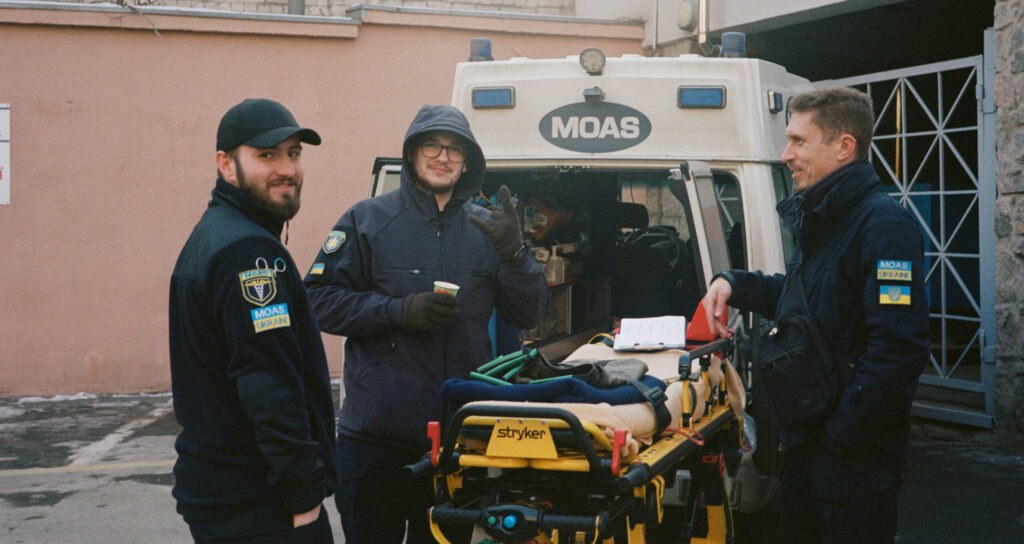
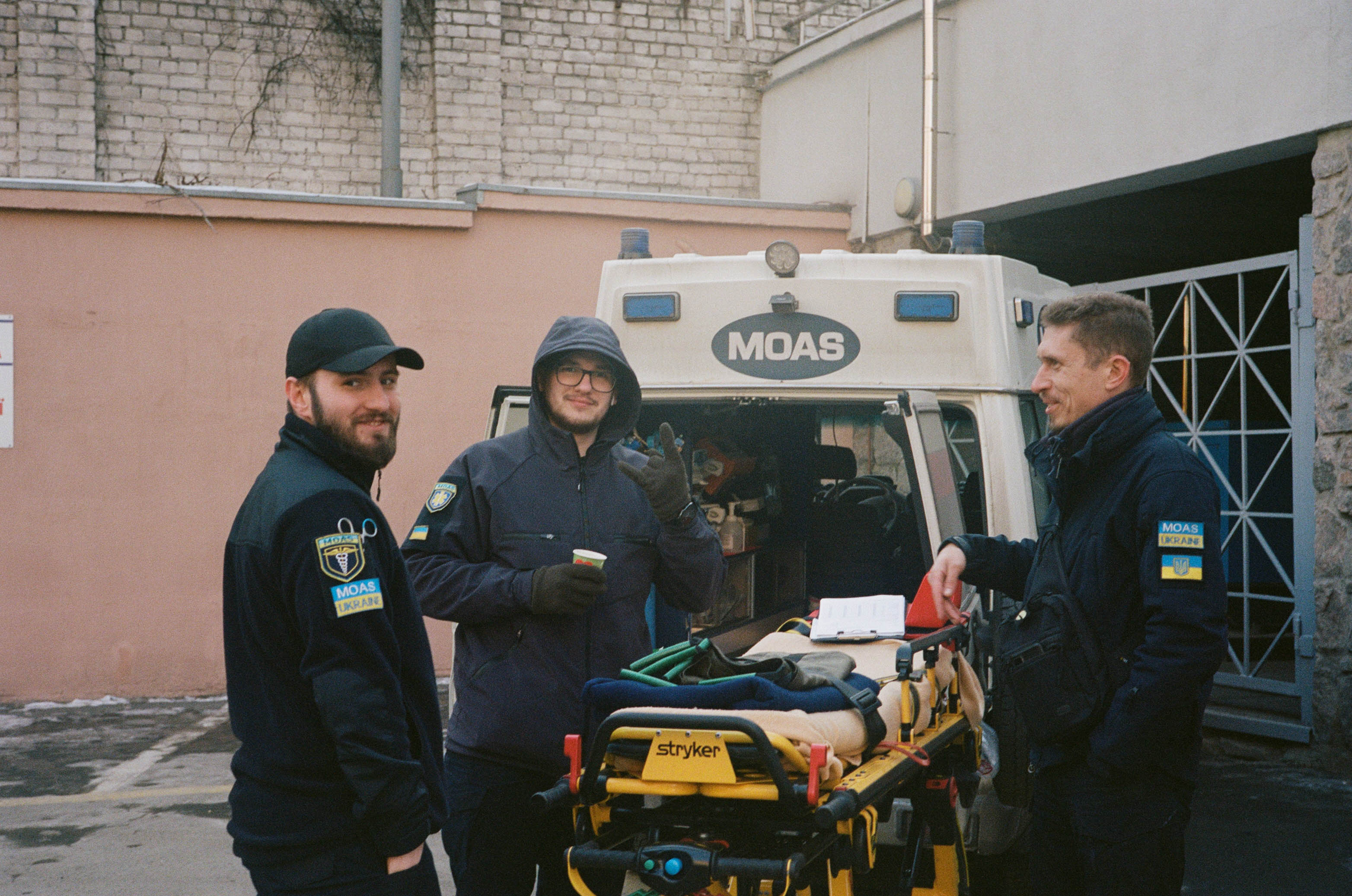
In the challenging scenario of the war in Ukraine, MOAS specialists, in addition to their professional knowledge and practical skills in providing medical assistance, also have access to specific resources in the field of psychological and emotional relief. This enables them to operate effectively under high-stress conditions in combat zones by applying self-help methods aimed at maintaining their own mental health. Such measures include ensuring adequate rest, normalisation of circadian rhythms, regular physical activity, and engagement in hobbies with a calming effect.
Building a Culture of Care in Humanitarian Work
To truly protect mental health, organisations need to move beyond one-off initiatives and work toward a comprehensive culture of care. This means normalising conversations about stress, burnout, and trauma so that staff feel safe seeking help without fear of stigma. Leaders should be trained to recognise early signs of distress and respond effectively, ensuring that accessible, confidential support services are available to all staff, regardless of location or employment status.
Equally important is making room for rest and recovery. Flexible schedules, manageable workloads, and regular breaks help prevent exhaustion. Introducing holistic practices, such as yoga and meditation sessions to release tension, or creative activities like painting and drawing to process emotions, can offer staff healthy ways to cope with the pressures of high-risk environments. These activities not only reduce stress but also help workers build emotional resilience in the face of ongoing challenges.
The Antares Guidelines offer a clear framework for this approach. They call on humanitarian organisations to develop comprehensive mental health policies covering the entire cycle of deployment – from careful screening and stress-management training before assignments to ongoing monitoring during missions and structured debriefing afterward. By promoting preventive care, timely psychological support, and self-care strategies, the guidelines ensure that humanitarian staff receive the tools and resources they need to stay well, perform effectively, and reintegrate into their personal lives after returning from the field.
Crucially, fostering a culture of care that integrates organisational support, holistic wellbeing practices, and evidence-based frameworks like the Antares Guidelines can reshape how humanitarian workers manage the emotional pressures of their roles – enabling them to stay healthy, build resilience, and continue serving crisis-affected communities effectively over the long term.
Final Thoughts
As humanitarian needs continue to grow in 2025, the mental health and wellbeing of aid workers can no longer remain on the margins. The evidence is clear: without healthy, resilient staff, humanitarian responses risk becoming unsustainable, both operationally and ethically.
Breaking the silence around mental health, dismantling stigma, and ensuring that local and international staff alike have access to meaningful support are not optional extras – they are essential to the future of humanitarian action. From promoting mental health policies guided by frameworks like the Antares Guidelines to integrating holistic practices such as yoga, meditation, and creative expression, organisations must move beyond reactive measures toward a proactive, preventive culture of care.
For MOAS and others committed to serving communities in crisis, caring for the carers is not just a moral responsibility; it is the foundation of effective, lasting humanitarian work. By investing in the wellbeing of those on the frontlines, we build stronger teams, more resilient communities, and a humanitarian system ready to meet the challenges of tomorrow.
Your support can make a difference. Please consider donating to help us continue our missions and save lives. Visit www.moas.eu/donate to contribute. For more updates on our work, follow us on social media, sign up for our newsletter, or contact us at [email protected].

Disclaimer: “Funded by the European Union. Views and opinions expressed are however those of the author(s) only and do not necessarily reflect those of the European Union or the European Education and Culture Executive Agency (EACEA). Neither the European Union nor EACEA can be held responsible for them.”