
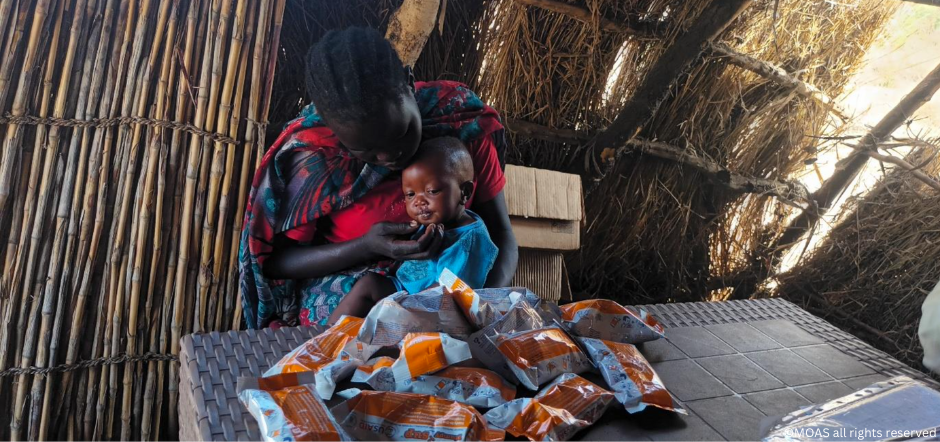
Somalia is experiencing one of the most complex humanitarian crises in the world. The country is grappling with a combination of protracted conflict and recurring climate shocks, which drive displacement and intensify humanitarian needs. As of 2025, around 6 million Somalis—almost a third of the population—require urgent humanitarian assistance. MOAS is responding to these needs with shipments of nutritional aid to support young children suffering from malnutrition and their mothers.
Humanitarian Needs
Internal conflict and increasingly frequent climate events, including extreme droughts and floods, disrupt food and water sources, destroy infrastructure, and displace entire communities. According to a recent multi-stakeholder shock analysis, 47% of the country’s population faces the combined impacts of conflict, floods, drought, disease outbreaks, and displacement.
Conflict
In 2024, conflict became the leading cause of displacement, accounting for 53% of the 477,000 displacements recorded between January and November. The ongoing conflict, particularly inter-clan fighting, has destroyed homes and disrupted access to critical services. Most of those displaced due to conflict tend to remain in their regions, which leads to protracted displacement. The worst-hit districts include Luuq, Diinsoor, and Jamaame, where intense clashes forced tens of thousands of people to flee their homes.
The ongoing conflict in Somalia is primarily between the Federal Government of Somalia (FGS) and the militant group al-Shabaab, which seeks to overthrow the government and establish strict Sharia law. Al-Shabaab remains a powerful force in southern and central Somalia, using guerrilla tactics and terror attacks to maintain influence. Other key actors include the Islamic State in Somalia (ISS), which operates in the north and competes with al-Shabaab, and clan militias like the Ma’awisley, which sometimes ally with the government. Additionally, the northern region faces the Las Anod conflict about Somaliland independence. These overlapping conflicts reflect struggles for power, ideology, and territorial control, causing a fragmented political landscape.
Climate Shocks
Alongside conflict, climate shocks such as floods and droughts have significantly impacted Somalia. The country alternates between extreme droughts and flooding, which devastates agriculture and livestock, the primary sources of livelihood and food security for many Somalis. The Gu (April-May) rains in 2024 caused severe flooding, displacing over 80,000 people and affecting 268,000 others. While the rains provided some much-needed water and helped recharge some water sources, the floods damaged infrastructure and disrupted local agriculture, resulting in a below-average harvest in July 2024. Moreover, the destruction of water sources and latrines significantly contributed to a rise in cholera cases, which saw more than 19,800 reported by November 2024—higher than the previous year.
Rising temperatures, erratic rainfall, and increased frequency of extreme weather events are expected to worsen the situation by 2030.
The Need for Aid
Many are struggling to access basic needs, especially food. Over 4.4 million people are facing acute food insecurity, and approximately 1.6 million children under five are suffering from malnutrition. Millions are dependent on external aid to survive. Without the continuous support of humanitarian organisations, these communities face even greater risks of starvation, malnutrition, and disease. Aid plays a crucial role in saving lives and giving communities the resources they need to rebuild and recover from these ongoing crises.
MOAS’ Response
MOAS is continuing its vital work in Somalia, providing life-saving nutritional aid.
In 2024, MOAS shipped 850 cartons of Plumpy’ Nut and 825 cartons of Plumpy’ Sup, made by our partner Edesia Nutrition, to Somalia. These peanut-based therapeutic foods are specifically designed to treat Severe and Moderate Acute Malnutrition in children. The distribution through our local partner, Medair, is concluded, and the results are remarkable. A total of 1,678 beneficiaries received assistance through three distribution centres and more than fully recovered. This nutritional support has helped to prevent the worst outcomes of malnutrition, such as stunted growth, developmental delays, and even death.
Success Stories: Musa and Aisha
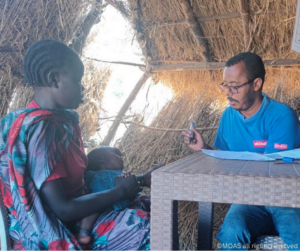
Behind the numbers are real stories of resilience and recovery. One such story is that of Musa, a 19-year-old mother who walked half an hour to reach a nutrition centre supported by MOAS. Her 8-month-old daughter, Aisha, had been diagnosed with malnutrition, but thanks to weekly rations of Plumpy’ Sup, Aisha made a full recovery. For Musa, this aid means hope for her child’s future—a future where Aisha can grow strong, go to school, and live in peace.
What’s Next
As we move into 2025, the humanitarian outlook for Somalia remains uncertain. While there have been some positive developments, such as a reduction in new internal displacements and a decrease in the impact of the 2024 Gu floods, the situation remains dire for millions. Climate conditions, including below-average rainfall during the Deyr (October to December) season, are expected to persist.
MOAS is committed to its mission. We are planning further shipments in 2025 to help more families like Musa and Aisha.
Your support can make a difference. Please consider donating to help us continue our missions and save lives. Visit www.moas.eu/donate to contribute. For more updates on our work, follow us on social media, sign up for our newsletter, or contact us at [email protected].