MOAS completes one month of complex rescues as refugee deaths in Aegean reach record high
AGATHONISI – Search and rescue charity Migrant Offshore Aid Station (MOAS) has assisted hundreds of refugees from hostile seas between Turkey and Greece since it began operating in the region just before Christmas.
The MOAS crew has witnessed shocking scenes of life and death, having led complex deep water and nearshore rescues over the past four weeks. The human toll has been described as “distressing” and “desperate” by reporters who have been embedded with MOAS.
MOAS, which saved almost 12,000 refugees from the Mediterranean Sea since 2014, expanded its operations to the Aegean Sea thanks to thousands of donations that reached the organisation after the horrific death of Alan Kurdi, a Syrian toddler who was photographed washed ashore on a Turkish beach last September.
The charity is operating off the Greek island of Agathonisi from a 51-metre vessel equipped with two fast rescue launches named after Alan and his brother Galip, who also died in September’s shipwreck.
“It is thanks to donations from the general public that we are able to remain at sea saving lives. A donation to MOAS will keep us at sea for longer and that could mean the difference between life and death for many Syrian refugee families fleeing war and persecution. Having established an excellent working relationship with the Hellenic Coast Guard in a short period of time, we are proud to be keeping the memory of Alan Kurdi alive together with the support of people all over the world who agree that nobody deserves to die at sea,” said MOAS director Martin Xuereb.
According to the International Organisation for Migration (IOM), 2016 appears to be a record year for both refugee arrivals and deaths at sea. In the first three weeks, fatalities have already reached 113, which is more than the past two Januaries combined. In the same three-week period, some 37,000 migrants and refugees have reached Italy and Greece by sea, which is 10 times the total of 2015.
“What we are witnessing in the Aegean Sea is even more horrendous than what we experienced in the Mediterranean. Due to the shorter distances, smugglers take increased risks at the expense of the refugees, often giving them worthless lifejackets and inflatable boats that simply cannot reach shore. Despite worsening weather conditions, refugees continue to make the desperate crossing, many times finding themselves washed onto jagged rocks and sustaining serious injuries,” said MOAS founder Christopher Catrambone.
View gallery and this interactive map of the rescues carried out by MOAS in the past four weeks
VIDEO
For MOAS publicity usage only, all rights reserved.
MAP OF MOAS OPERATIONS
For MOAS publicity usage only, all rights reserved.
PHOTOS
For MOAS publicity usage only, all rights reserved.
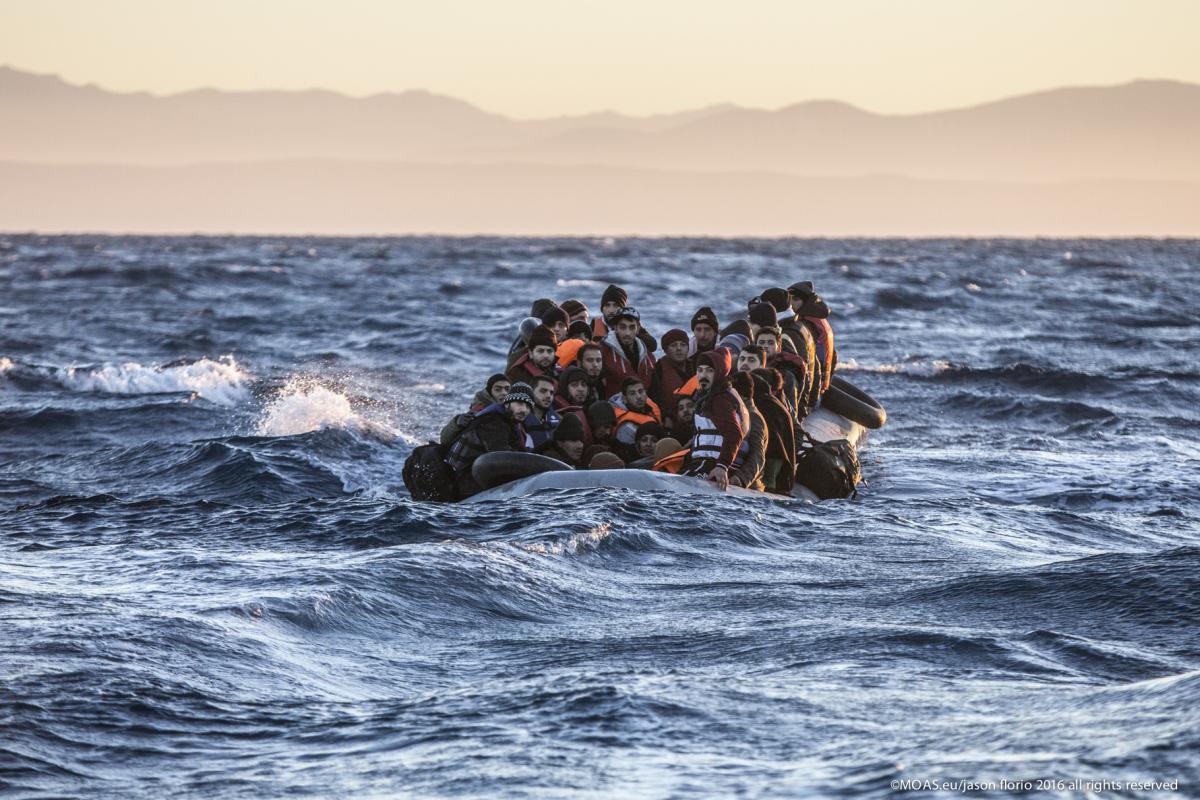
Jan 9th 2016 MOAS SAR are altered to an over crowded rubber dinghy carrying appoximately 30 persons was heading towards the rocky shore line of Agathonisi. The SAR team assertained although the rubber boat was siiting deep in the water, serverly over crowded and wallowing in the heavy swell, it was safer to chaperone the migrant boat and guide them into the safe harbor, rather than attempt any form of transfer
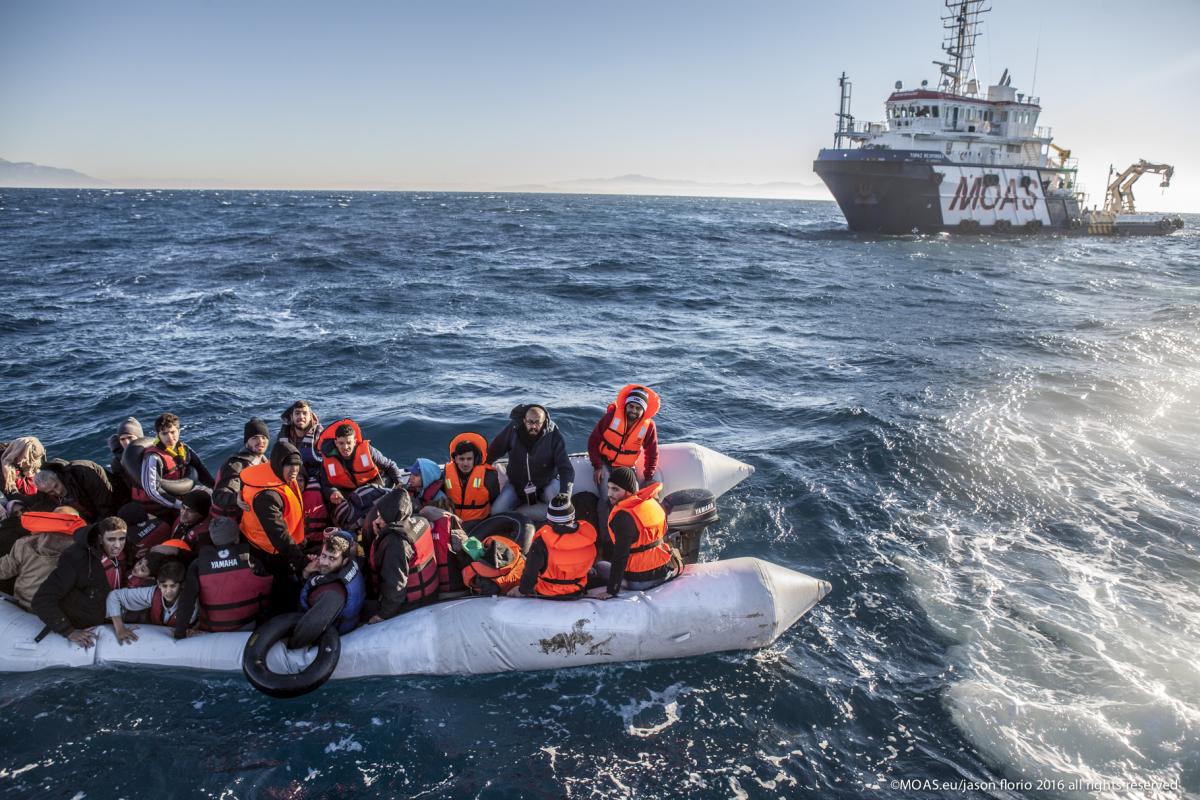
9th of Jan 2016 MOAS is altered by HCG of a rapidly deflating rubber dinghy with women, children and men onboard. The deflating boat is close to being swamped by waves in the rolling sea. The SAR team using the MOAS mothership, Responder to give lee side, they approach the boat in their fast rescue craft, with rescues swimmers standing by incase anyone falls into the water, the experienced SAR team quickly evaacuate the boat, of all 40 people. This was a challenging rescue in view of the 1 -1.5m waves and the state of the migrant craft. The VOI was severely deflated and would have gone under had it not been for MOAS’s timely intervention. MOAS disembarks at 0925 at Agathonisi port.
9th of Jan 2016 MOAS is altered by HCG of a rapidly deflating rubber dinghy with women, children and men onboard. The deflating boat is close to being swamped by waves in the rolling sea. The SAR team using the MOAS mothership, Responder to give lee side, they approach the boat in their fast rescue craft, with rescues swimmers standing by incase anyone falls into the water, the experienced SAR team quickly evaacuate the boat, of all 40 people. This was a challenging rescue in view of the 1 -1.5m waves and the state of the migrant craft. The VOI was severely deflated and would have gone under had it not been for MOAS’s timely intervention. MOAS disembarks at 0925 at Agathonisi port.
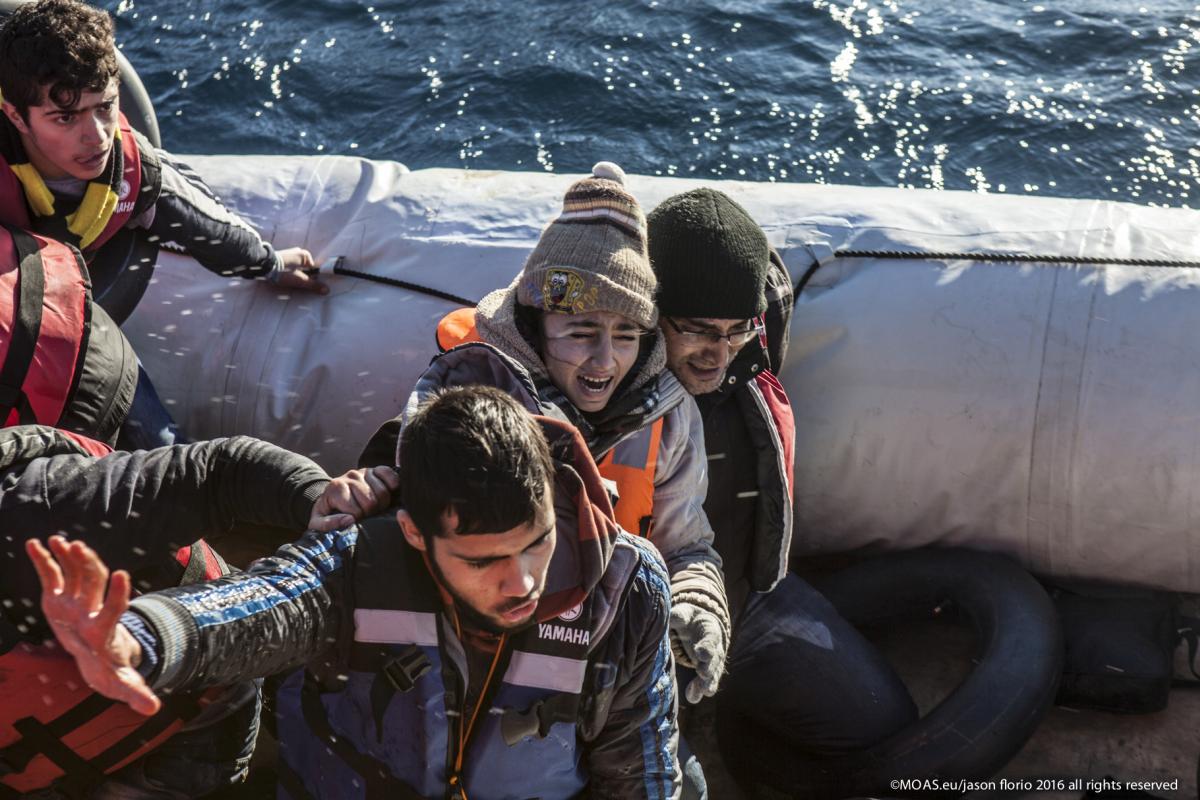
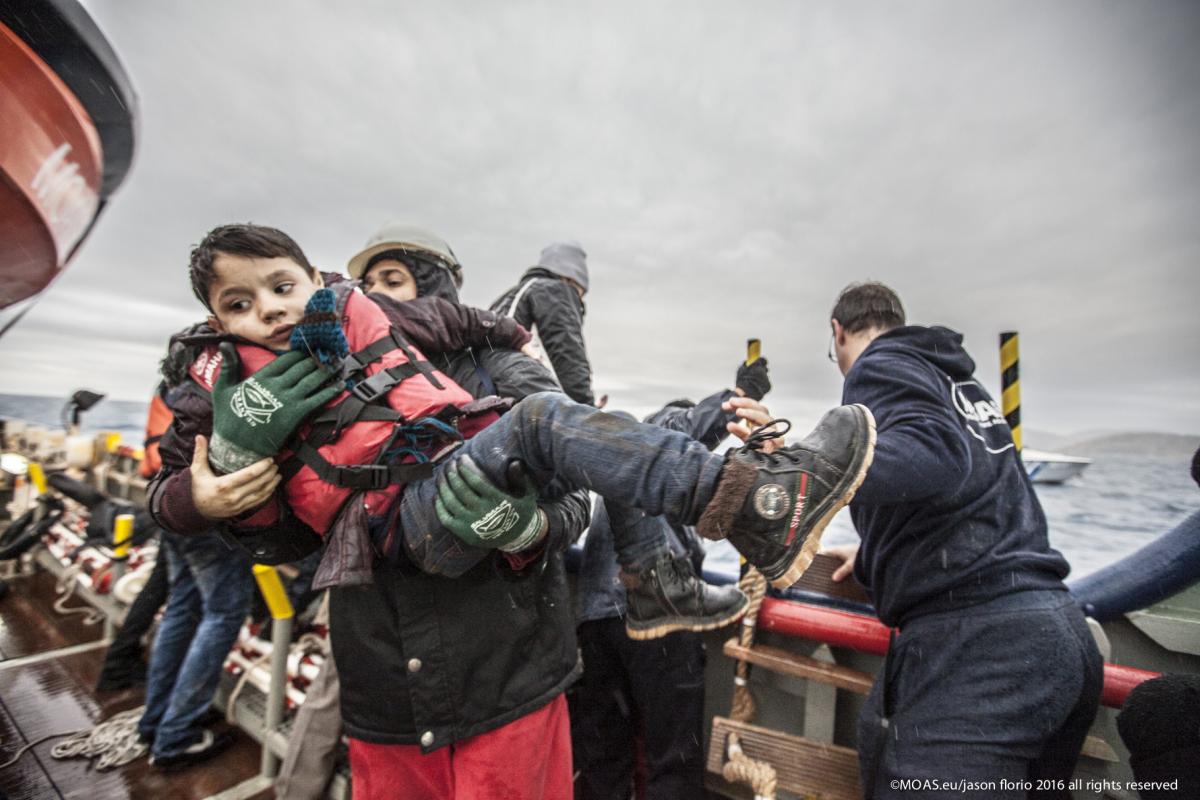
A young Syrian child is lifted to safety from an overloaded open boat carrying 55 migrants. A diistres call had been made from the boat to say they had lost engine power and were drifting in the heavy swell. The SAR team launched their fast rescue craft and brought the migrant boat next to the MOAS mothership, Responder. It was an extremely challenging rescue because of the heavy sea swell, but all the migrants were safely brought aboard.
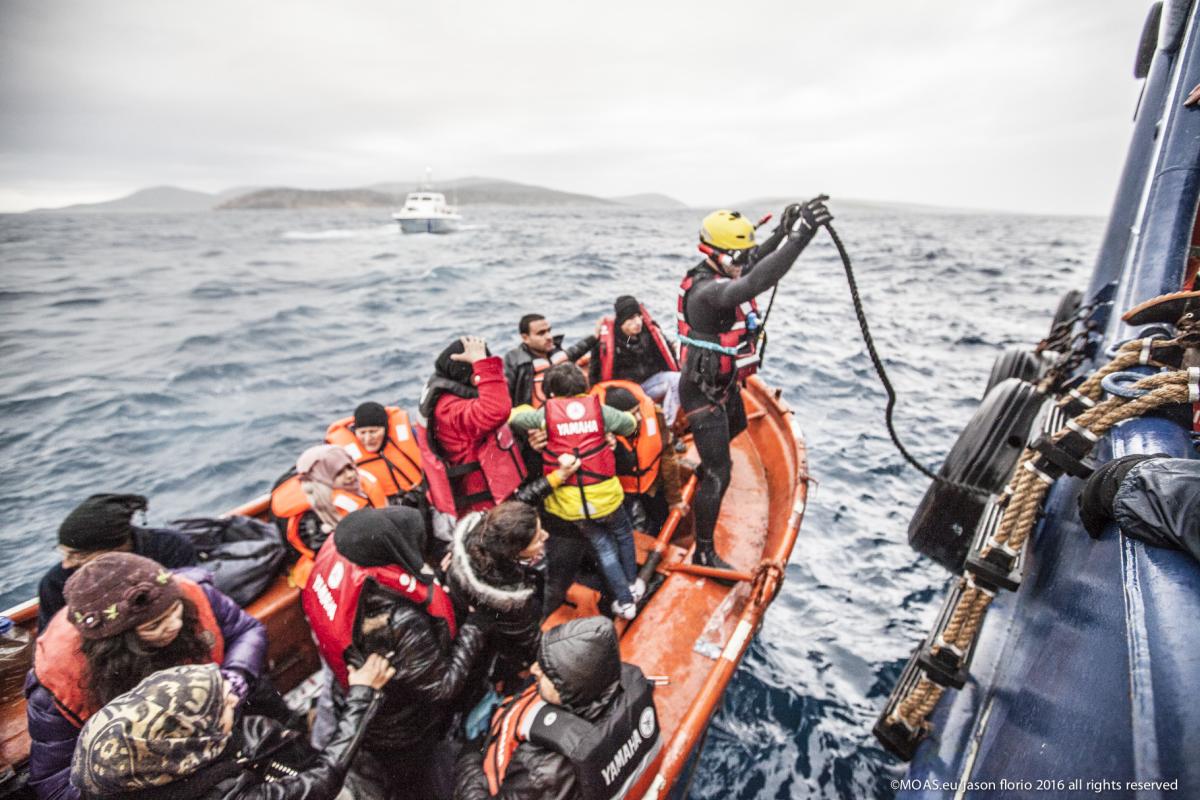
A MOAS rescue swimmer helps guide the migrant boat alongside the MOAS mothership, Responder. The overloaded open boat carrying 55 migrants. made a diistres call to say they had lost engine power and were drifting in the heavy swell. The SAR team launched their fast rescue craft and brought the migrant boat next to the MOAS mothership, Responder. It was an extremely challenging rescue because of the heavy sea swell, but all the migrants were safely brought aboard.
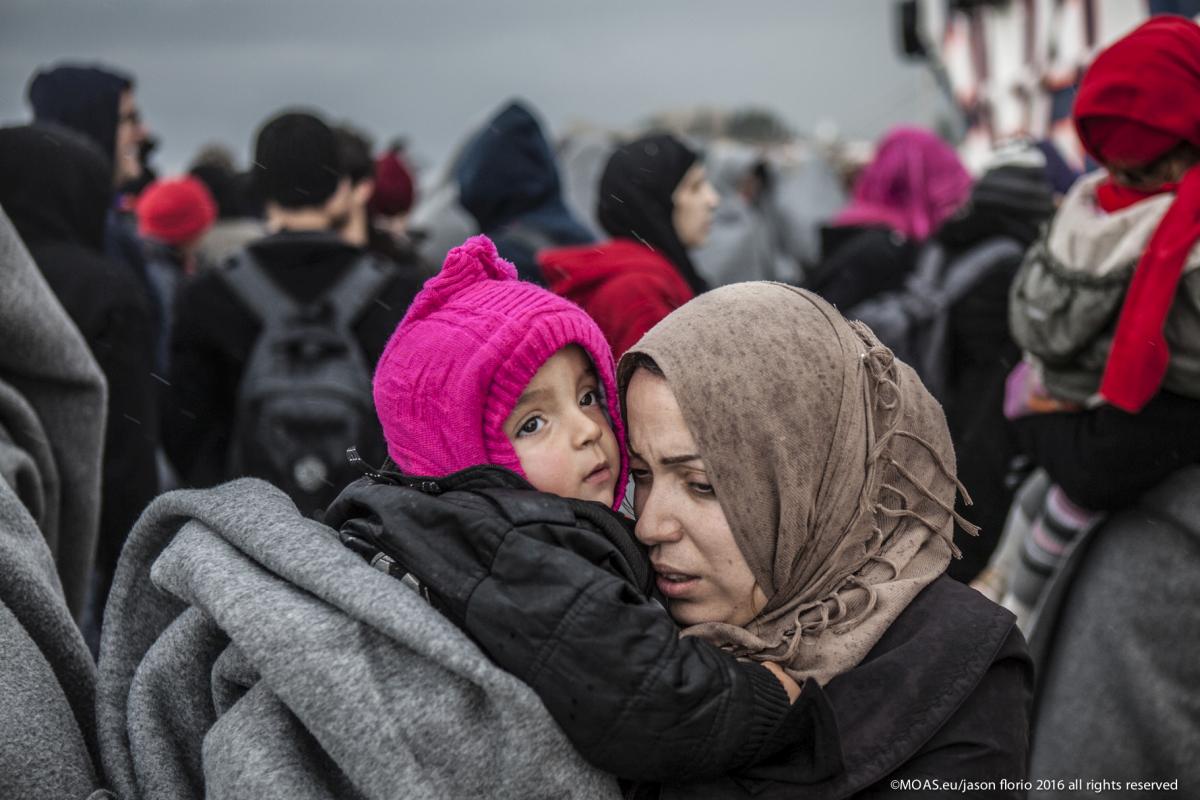
Rescued Syrian migrants are brought safely ashore to Samos by the MAOS Rescue ship, the Responder
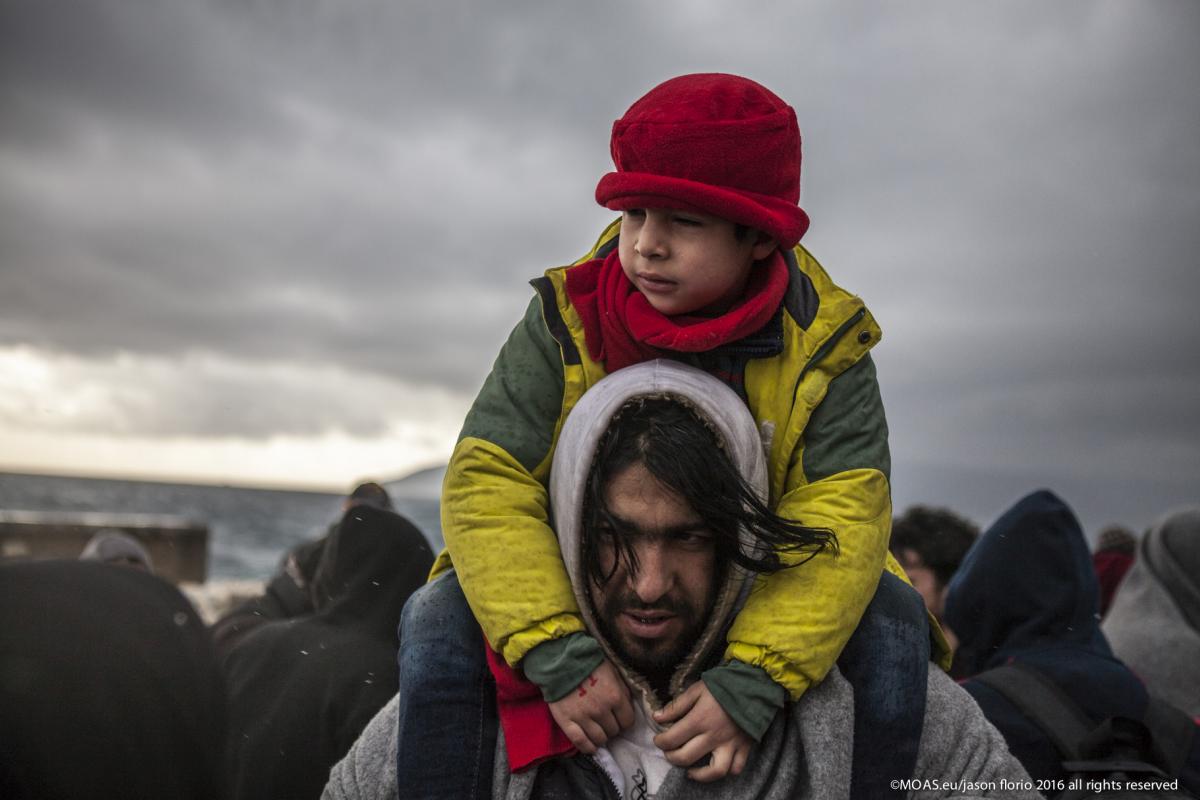
Rescued Syrian migrants are brought safely ashore to Samos by the MAOS Rescue ship, the Responder
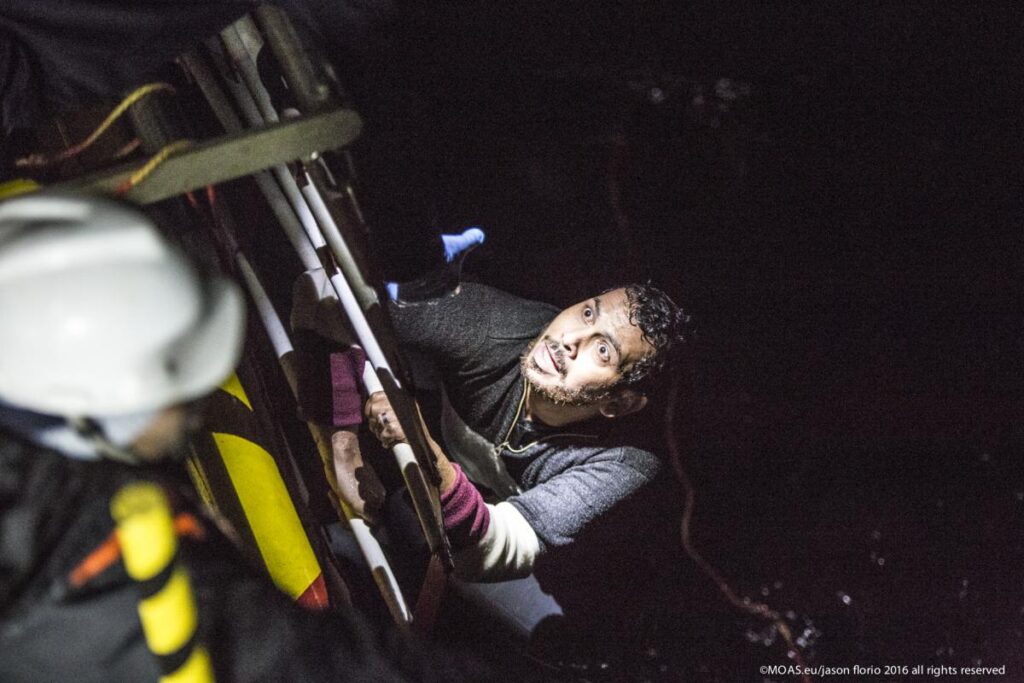
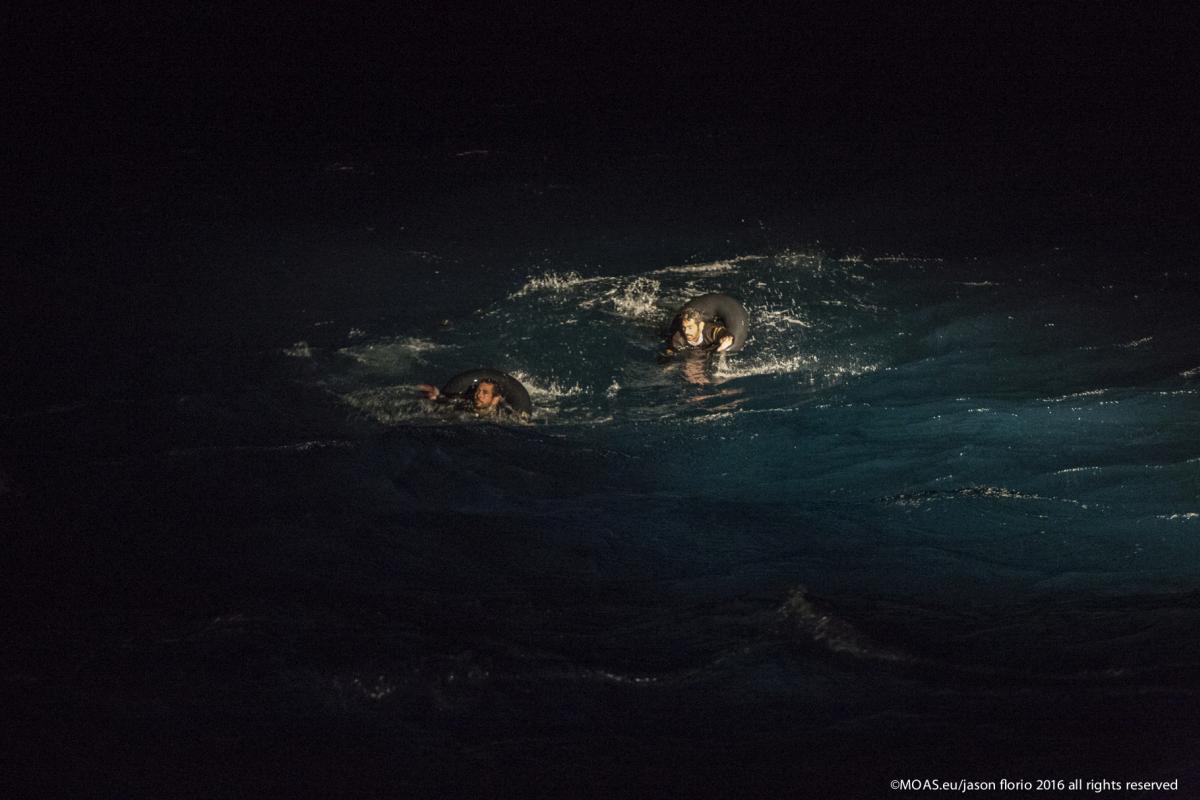
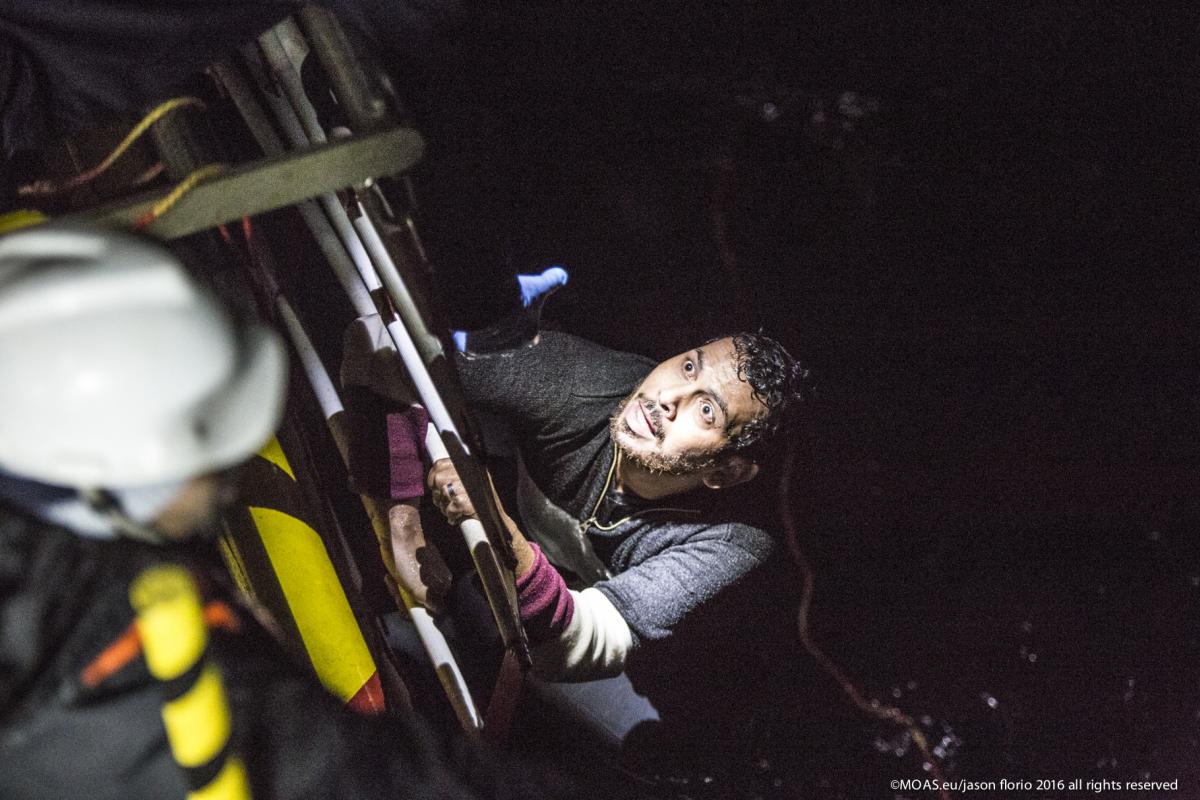
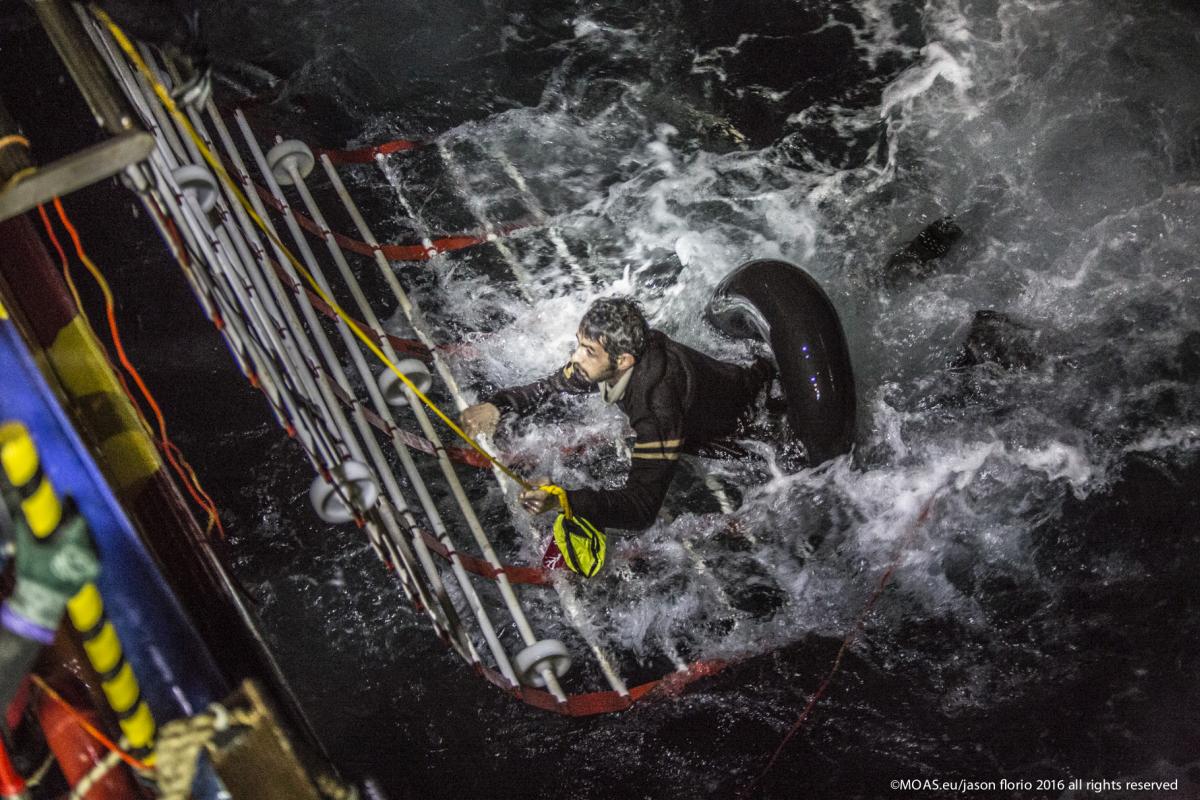
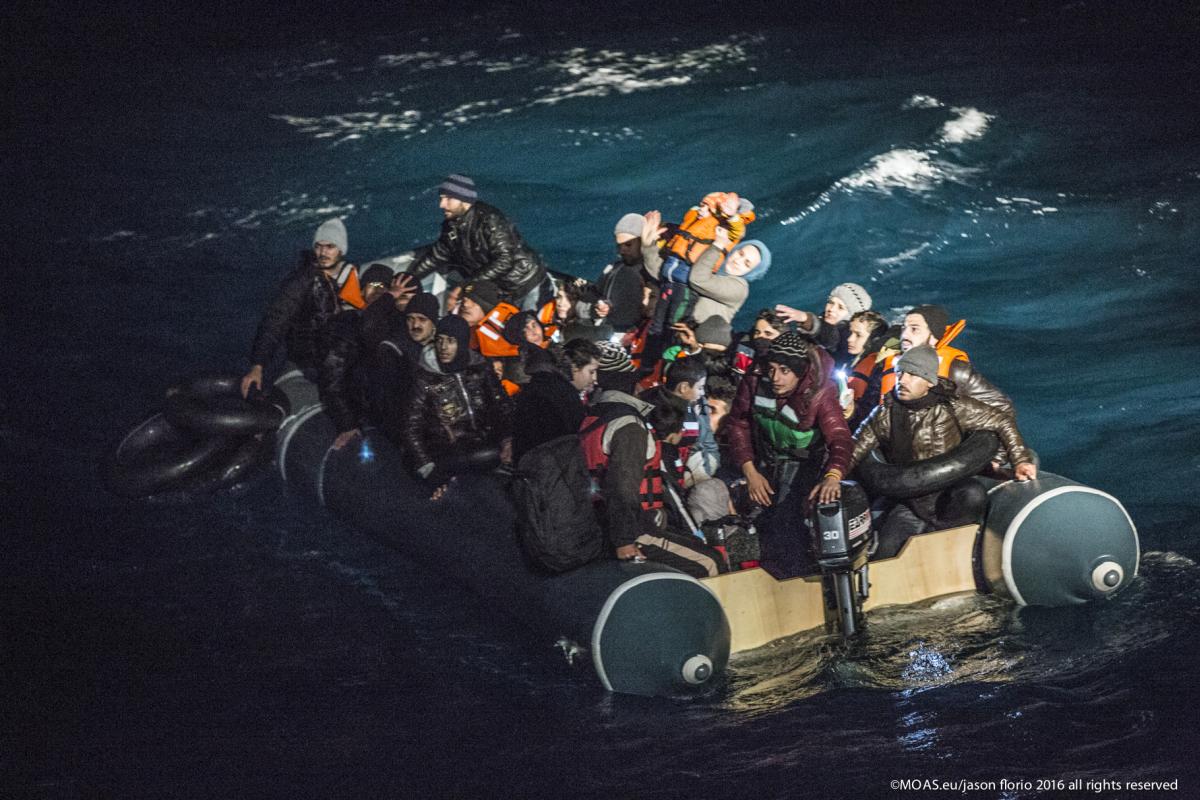
11.45pm the MOAS team make a sighting of a large rubber dinghy with 48 people onboard ( 8 males, 16 females and 14 children). The boat is in distress in the heavy swell. Three men are then spotted in sea by the MOAS searchlight. The men looking exhausted are encouraged to swim and grasp hold of the Jacobs ladder hanging on the side of the MOAS Rescue ship, Responder. With rescues swimers at the ready, the men are pulled to safety. The men had fallen from the dinghy and could not climb back due to the high seas and their boat being already so overcrowded. Their rubberboat with their familiy members aboard was then safely brought alongside the Responder and all remaining 45 people, mainly Syrians were brought on deck, exhausted and wet.
11.45pm the MOAS team make a sighting of a large rubber dinghy with 48 people onboard ( 8 males, 16 females and 14 children). The boat is in distress in the heavy swell. Three men are then spotted in sea by the MOAS searchlight. The men looking exhausted are encouraged to swim and grasp hold of the Jacobs ladder hanging on the side of the MOAS Rescue ship, Responder. With rescues swimers at the ready, the men are pulled to safety. The men had fallen from the dinghy and could not climb back due to the high seas and their boat being already so overcrowded. Their rubberboat with their familiy members aboard was then safely brought alongside the Responder and all remaining 45 people, mainly Syrians were brought on deck, exhausted and wet.
11.45pm the MOAS team make a sighting of a large rubber dinghy with 48 people onboard ( 8 males, 16 females and 14 children). The boat is in distress in the heavy swell. Three men are then spotted in sea by the MOAS searchlight. The men looking exhausted are encouraged to swim and grasp hold of the Jacobs ladder hanging on the side of the MOAS Rescue ship, Responder. With rescues swimers at the ready, the men are pulled to safety. The men had fallen from the dinghy and could not climb back due to the high seas and their boat being already so overcrowded. Their rubberboat with their familiy members aboard was then safely brought alongside the Responder and all remaining 45 people, mainly Syrians were brought on deck, exhausted and wet.
11.45pm the MOAS team make a sighting of a large rubber dinghy with 48 people onboard ( 8 males, 16 females and 14 children). The boat is in distress in the heavy swell. Three men are then spotted in sea by the MOAS searchlight. The men looking exhausted are encouraged to swim and grasp hold of the Jacobs ladder hanging on the side of the MOAS Rescue ship, Responder. With rescues swimers at the ready, the men are pulled to safety. The men had fallen from the dinghy and could not climb back due to the high seas and their boat being already so overcrowded. Their rubberboat with their familiy members aboard was then safely brought alongside the Responder and all remaining 45 people, mainly Syrians were brought on deck, exhausted and wet.
Who is MOAS: MOAS has already saved almost 12,000 people in the Central Mediterranean since 2014. In 2015 an outpouring of public support allowed MOAS to become a global NGO providing SAR services where they are needed the most. The area of current operation was determined after discussions with the Greek authorities. The Responder acts a mother ship to launch 24/7 all-weather rescues in the Aegean.
Who is CISOM: Since 2008, CISOM – the Order of Malta Italian Relief Corp, has been providing health care on board of the Coast Guard and Guardia di Finanza ships. It also participated in the “Mare Nostrum” mission with the Italian Navy in the Strait of Sicily aimed at rescuing migrants at sea and offering timely and effective medical aid. Through the doctors and nurses have developed a specific capability in search and rescue at sea, specialising in healthcare emergency. With the aim of training professionals to cope with emergency situations occurring during the management of migrant flows on high seas, CISOMS’s rescue expertise and specific hospital interventions has turned it into a corps specialized in first-aid at sea. It has saved some 40.000 migrants.