
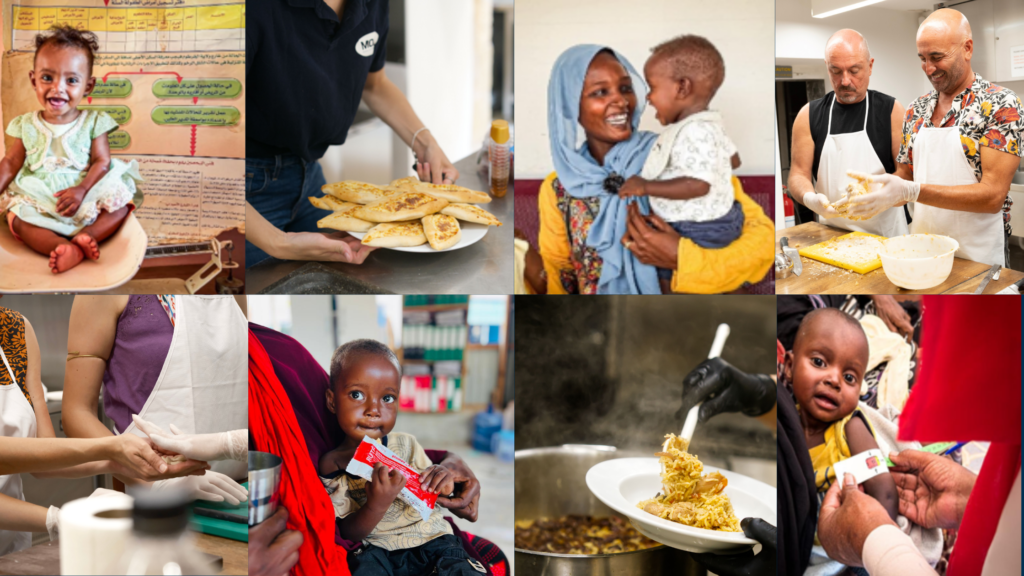
In a world where food waste accounts for approximately one-third of food produced, it seems strange that 638 to 720 million people worldwide reported hunger in 2025.
From urban food deserts in the United States and Europe, famines in East Africa and the Middle East, to crises in Southeast Asia, food features as a topic of concern.
Understanding food security and the various ways food systems can be disrupted, leads to a greater solidarity in protecting a human right.
Too Much, Too Little, Not Enough: Defining Food Security
Food security is access to safe and stable nutritious sources of food. When defining food security, remember the following: Enduring Access to Thriving Supplies of food (EATS):
Enduring, sustainable sources of food means guaranteeing long-term meals.
Accessing food must be economically affordable and physically available. Food sources should be in proximate locations, attainable by any person no matter their gender, ethnicity or creed.
Thriving and free from diseases, it is essential that food and water be nourishing for the development of healthy lifestyles.
Supplies of food in the form of markets or farms need to produce enough of a quantity to feed its inhabiting population.
Hunger: The Intersection of Climate, Conflict and Displacement
From farms to tables, food harvests depend on healthy ecosystems.
As climate change increases floods and droughts, crop failures lead to displacement, forcing families to search for reliable food sources.
Food systems are interconnected, with Ukraine directly affecting the Horn of Africa. Wars and crises contaminate agricultural fields, disrupt harvests, block supply routes, increase fuel costs and drive up food prices, making it harder for families to access the essentials they need to survive.
Yet with preparedness measures, sustainable agriculture and humanitarian support, communities can build a more food-secure future.
Setting Goals: The Global Effort to Long-Term Solutions
The United Nations set the Sustainability Development Goal Zero Hunger by 2030 to tackle the literal root cause of hunger and create long-term solutions. Governments, policy-makers and farmers are essential in their implementation.
Even your own dinner can fight hunger. Choosing local and seasonal foods, purchasing international fair trade products, reducing food waste by preserving leftovers or donating surplus food have a lasting impact.
Across the world, individuals and communities play a role in building more resilient food systems.
A Legacy of Food Security: How MOAS Combats Malnutrition
In 2019, our first Mission of Hope in Yemen supplied life-saving therapeutic food and vital medical supplies to children during vital development stages, then expanded exclusively to Somalia in 2020 and Sudan in 2023.
In joint partnership with Edesia and collaborators including ADRA we have delivered both sustenance and hope.
Despite delays and blockades to Sudan, 1500 cartons of therapeutic products have given birth to success stories.
From 2025-2026, a total of 532 children under the age of five were treated for malnutrition in the Edesia-Medair Outpatient Therapeutic Program or Targeted Supplementary Feeding Programme.
With communities in continuous displacement, many cannot undergo long-term care.
By training community health workers, offering caregiver counselling and raising awareness of our health services, we are saving more lives.
Nazar’s Story
The conflict left nine-month-old baby Nazar and his family with limited food, clean water and health services.
Nazar was admitted to a health facility for malaria, yet the medical staff identified another deadly disease: severe acute malnutrition.
Thanks to the efficiency of the medical team, Nazar started his journey towards recovery to being a healthy, bouncing baby boy.
Families including Nazar’s aunt Rania are grateful:
“I am hopeful for the future,” Rania says. “I thank the organisation and hope that the services will continue.”
Concluding Thoughts: Food is Life
The post-Covid economic fluctuations and conflicts exacerbated already fragile food systems to vulnerable populations.
This World Food Day served as a reminder that access to sustainable and healthy nourishment should not be a luxury, but a human right.
Thankfully, MOAS along with MOAS supporters guarantee that aid reaches our promised communities in Sudan and Somalia.
Even in the darkest of times, a true act of generosity always sparks another.
Pledging solidarity, we stand with humanity facing hunger and vow to leave a legacy of our own.
Your support can make a difference. Please consider donating to help us continue our missions and save lives. Visit www.moas.eu/donate to contribute. For more updates on our work, follow us on social media, sign up for our newsletter, or contact us at [email protected].

Disclaimer: “Funded by the European Union. Views and opinions expressed are however those of the author(s) only and do not necessarily reflect those of the European Union or the European Education and Culture Executive Agency (EACEA). Neither the European Union nor EACEA can be held responsible for them.”