
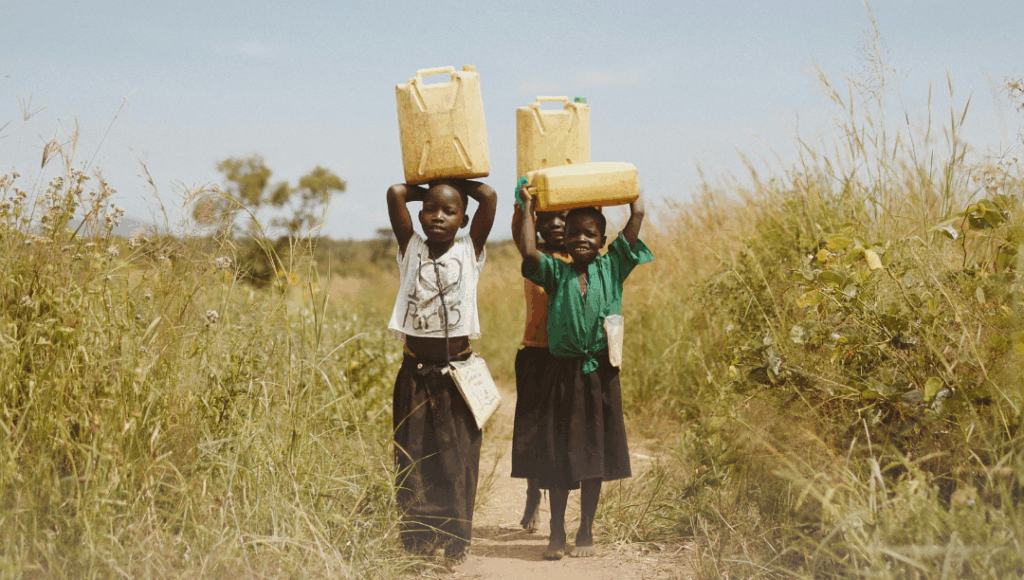
Every week, hundreds of families arrive in Uganda fleeing from neighbouring countries, but Uganda is struggling to feed and support its inhabitants.
The country in East Africa with around 52 million people is currently experiencing a severe humanitarian crisis. The overwhelming challenges range from hosting one of the largest refugee populations in Africa to coping with food insecurity, environmental degradation, and political instability. To understand the humanitarian situation well, it is essential to consider these issues and how they are connected.
Africa’s Largest Host Country
At the core of Uganda’s humanitarian crisis is its position as a refuge. By 2025, Uganda will have welcomed nearly 2 million refugees, making it the leading refugee-hosting nation on the continent and sixth worldwide. Every day around 600 people come to Uganda seeking refuge. Refugees make up about 4% of the total population, with some border districts hosting refugees that constitute more than a quarter of the inhabitants.
Most refugees originate from neighbouring countries embroiled in conflict, such as South Sudan, Sudan, and the Democratic Republic of Congo.
The large number of refugees would not necessarily be a problem under normal circumstances. Uganda is recognised for its progressive refugee policies, which allow refugees to settle, work, and access public services. However, Uganda currently lacks the resources and infrastructure to accommodate them. An overwhelming 70% of refugees depend on regular food aid, and with nearly four out of five being women and children, the need for protection and nutrition support is acute. Refugee settlements are chronically under-resourced, leading to overcrowding, poor sanitation, and overstretched health care services. The large influx strains local infrastructure and resources, affecting host communities’ well-being.
There are severe funding shortfalls, with aid programs being only 25% funded, forcing agencies to scale back food and health support. Meanwhile, the complex internal political situation makes it harder for aid groups and civil society to work freely. It becomes more difficult for people in need to get help and protection.
Environmental Challenges Worsening Humanitarian Needs
Uganda’s environment is worsening due to deforestation and climate change. Despite a government campaign to plant 40 million trees by the end of 2025, deforestation still advances rapidly, with approximately 80,000 hectares lost between 2002 and 2024. That’s the same as 43 football pitches every hour.
Changing climate patterns have led to more frequent droughts and floods, severely impacting agriculture, which is the main livelihood for about 80% of Ugandans. Erratic rainfall has shortened growing seasons, leading to failed harvests and exacerbating food insecurity. The loss of forests also increases vulnerability to floods and soil erosion, threatening both refugee settlements and host communities.
Growing Hunger
Food insecurity in Uganda is severe. By 2025, about 1.4 million people are expected to experience high levels of food insecurity, particularly in the northeastern districts such as Karenga, Napak, and Moroto, where between 30 to 45% of the population lack sufficient food. This issue impacts both local residents and refugees.
Uganda’s reliance on rain-fed agriculture makes the country highly vulnerable. Combined with limited access to modern farming technologies, poor storage infrastructure, and growing population pressure, many families face persistent hunger. Malnutrition rates remain troubling, impacting children’s growth and health.
Local Conflicts and Insecurity
While Uganda is relatively stable compared to neighbours like South Sudan or the DRC, it also grapples with local armed conflicts, particularly in the northeast. Rival pastoralist groups engage in violent cattle raids – where armed groups steal livestock from other communities using force and violence – occasionally clashing with government forces. Furthermore, political tensions and repression in urban centres, especially near election times, lead to a volatile situation.
Building a More Stable and Humane Future
Uganda’s humanitarian crisis is the result of overlapping internal, environmental, and social factors. The massive refugee population highlights Uganda’s generosity but also strains its limited resources, worsening food insecurity and health challenges. Political repression and manipulation hinder reforms that could improve governance and aid delivery. Environmental degradation and climate change reduce agricultural productivity and increase vulnerability for both refugees and host communities.
For people in Uganda to have enough food and basic support, aid programs must get the funding they need. Without enough resources, food, and life-saving help quickly run out, putting lives at risk.
At the same time, real progress depends on tackling deeper issues: improving politics, supporting refugees and local communities, adapting to climate change, and reducing poverty. International funding and intense action inside Uganda are both crucial to help people survive and create a more stable future.
Your support can make a difference. Please consider donating to help us continue our missions and save lives. Visit www.moas.eu/donate to contribute. For more updates on our work, follow us on social media, sign up for our newsletter, or contact us at [email protected].