
A date with death: “Thousands of soldiers will die if MOAS has to stop operating due to lack of funding,” warns Ukraine’s leading casevac provider on the third anniversary of Russia’s invasion
MOAS, the primary casevac provider for the Ukrainian army, is staring into the abyss. Having saved more than 66,000 lives and counting at the medical frontline during almost three years of operations, the funding has run out.
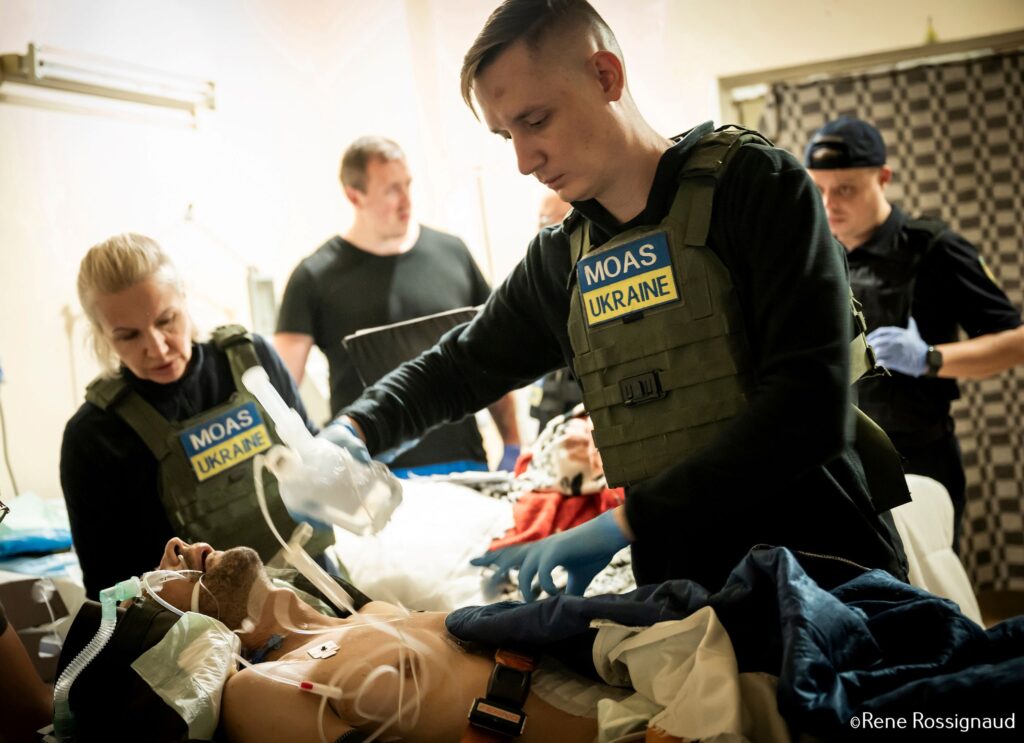
Every day, MOAS medics evacuate the most severely wounded Ukrainian soldiers to hospital for life-saving treatment. Every week, the all-Ukrainian teams risk their lives to rush 500–700 casualties to the hospital. Today they’re responsible for a staggering 72% of the army’s critical evacuations – and have never lost a single life under their care.
“Thousands of Ukrainian soldiers will die if MOAS stops operating,” warns Christopher Catrambone, MOAS founder and head of mission in Ukraine. “A senior Ukrainian general told me it will be a complete catastrophe. The army’s completely overstretched, and no one else can do what we do. We need support—now.”
It costs $1m a month, the price of a Storm Shadow missile, to keep the team of 150 all-Ukrainian medics working in 50 state-of-the-art ambulances on the road, saving lives. Without that funding, the MOAS mission will have to stop.
“In these three years, we have seen the unimaginable horrors of war but also the unbreakable spirit of the Ukrainian people,” says Catrambone. “Our brave teams face artillery, drones, and targeted attacks daily. Their courage—and that of Ukraine’s frontline soldiers – deserves global support.”
On 31 August 2024, one of the MOAS bases in Donetsk was hit by a Russian strike, destroying critical medical equipment and damaging two ambulances. Miraculously, all 19 team members survived with only minor injuries and resumed operations almost immediately.
MOAS is committed to stay in Ukraine for as long as it takes. Today, it calls on donors, humanitarian organisations and the international community to step up and ensure it can continue these life-saving evacuations.
“People may think the war is ending, and God knows, we all hope that’s true, but we’re seeing no let-up in the flood of terribly injured soldiers who end up in our ambulances every day. The fact is we’ve run out of money and we need your help to keep going.”
More images are available at this link: https://drive.google.com/drive/folders/15nghXW9EJQjOO0bQldlf3ONORcZpaAjC?usp=share_link