
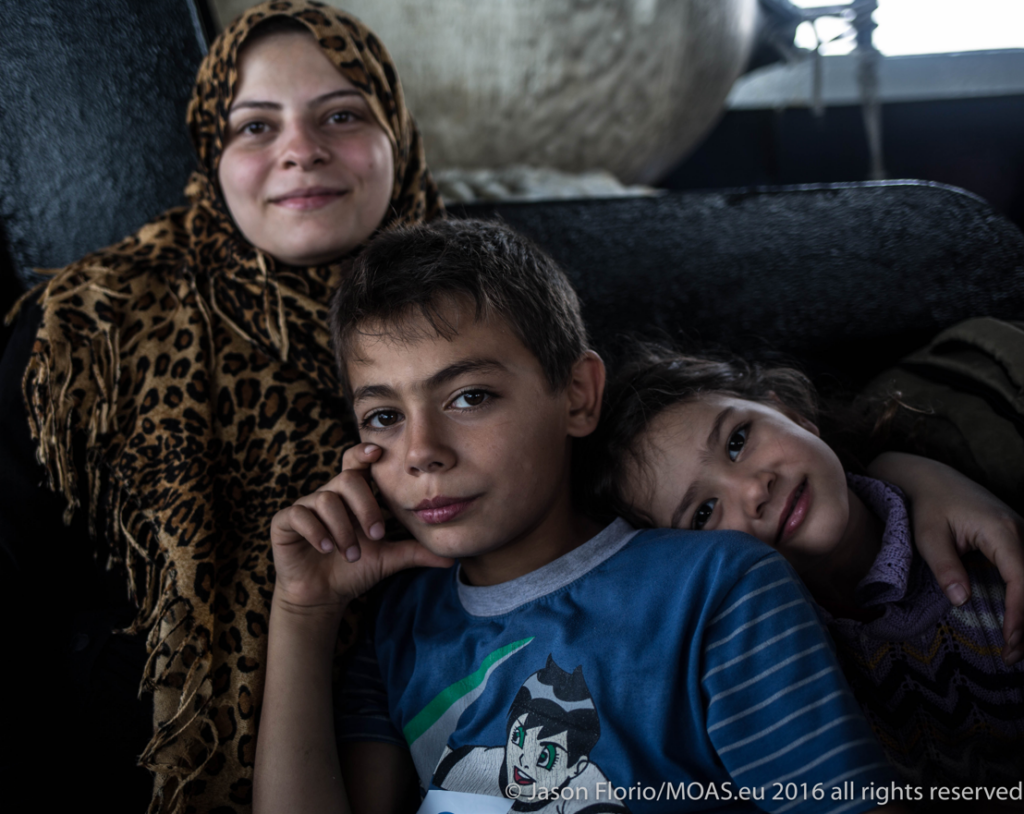
An alarming 305 million people require urgent assistance and protection in 2025. The UN Global Humanitarian Overview 2025, launched in Geneva on 4 December last year, paints a grim picture, revealing how interconnected crises – climate change, armed conflict, and displacement – compound human suffering worldwide.
Escalating needs, evolving challenges, and transformative policy shifts characterize the humanitarian landscape in 2025. As global crises intensify, the sector is compelled to adapt, innovate, and redefine its strategies to address the complexities of modern humanitarian emergencies effectively.
Funding Shortfalls and Donor Fatigue
Despite the growing needs, the humanitarian sector faces significant funding challenges. In 2024, the UN raised only 46% of the $49.6 billion required, leading to difficult decisions like cutting food rations. Major donors, including Germany and potentially the United States, have reduced their aid budgets while emerging economies contribute less than expected. This financial shortfall has tangible impacts on the ground. In Haiti , for example, gang violence has displaced over a million people, tripling the number from the previous year. The lack of adequate funding hampers efforts to provide essential services and security to the affected populations.
Policy Shifts and Strategic Adaptations
In response to these challenges, humanitarian organisations are reassessing their strategies. The Global Humanitarian Overview 2025 emphasizes the need for enhanced approaches in identifying, monitoring, and mitigating complex threats. This includes increasing local leadership in delivery, strategy, and decision-making to ensure more effective and context-specific responses.
Additionally, there is a growing recognition of the importance of collaboration with diverse actors, including the private sector and social networks, to address the multifaceted nature of modern crises. The Humanitarian Futures Programme highlights the necessity for organisations to be more anticipatory, adaptive, collaborative, and innovative in dealing with future threats.
Technological Integration and Innovation
Advancements in technology are playing a pivotal role in transforming humanitarian responses. Technology offers tools to enhance efficiency and effectiveness, from artificial intelligence in disaster prediction to blockchain for transparent aid distribution. However, it also presents challenges, including ethical considerations and the digital divide that may exclude vulnerable populations from benefiting equally.
Focus on Climate Resilience
Humanitarian landscape in 2025 is further exacerbated by climate change, which continues to intensify the severity and frequency of disasters. Hotter temperatures, severe droughts, devastating floods, and rising sea levels are wreaking havoc on food systems, water security, and livelihoods. 90 million displaced people live in areas highly exposed to climate-related hazards, and nearly half of all forcibly displaced individuals face the dual burden of conflict and climate risks.
Conflict and Climate Change
Conflict and climate change are deeply intertwined. Warfare has a significant carbon footprint, and military activities and the destruction they cause contribute to global greenhouse gas emissions. Researchers estimate that the emissions from just the first 120 days of the conflict in Gaza surpassed the annual emissions of 26 countries, and the first seven months of Russia’s invasion of Ukraine were estimated to cause at least 100 million tonnes of carbon dioxide equivalent. Conversely, climate change fuels conflict by exacerbating competition for scarce resources like food and water.
This vicious cycle is evident in regions like the Horn of Africa, where the 2020-2023 drought devastated communities already weakened by conflict in Somalia. Similarly, South Sudan’s floods have displaced 1.4 million people, many in areas enduring intense fighting. At MOAS, we emphasize the need for global cooperation to break this cycle and promote sustainable solutions.
The Human Cost of Neglect
Civilians bear the brunt of these crises. In 2024 alone, over 58,700 civilians lost their lives in conflicts, with the highest fatalities in OPT, Sudan, and Myanmar. This blatant disregard for international humanitarian and human rights law underscores the urgency of humanitarian interventions. At MOAS, we remain steadfast in alleviating suffering and protecting lives, even in the most challenging conflict zones.
Our work in Yemen, Somalia, and Sudan exemplifies our commitment to combating malnutrition and providing essential supplies to communities in crisis. In Ukraine, we continue delivering life-saving medical care through our fleet of 50 ambulances.
Final Thoughts
The challenges of 2025 demand a united global response. The humanitarian sector in 2025 is at a critical juncture, facing unprecedented challenges requiring innovative solutions and collaborative efforts. Addressing escalating needs amid funding constraints demands a reevaluation of traditional approaches and the adoption of adaptive strategies. By embracing technological advancements, fostering local leadership, and prioritizing climate resilience, the sector can navigate the complexities of modern crises and continue to provide essential support to those in need. Climate adaptation, conflict resolution, and resource mobilization are essential to prevent further suffering.
At MOAS, with the support of our partners and donors, we will continue to deliver impactful, life- saving humanitarian aid in 2025 and beyond. Together, we can build a future where no one is left behind, and vulnerable communities are empowered to thrive despite adversity.
Your support can make a difference. Please consider donating to help us continue our missions and save lives. Visit www.moas.eu/donate to contribute. For more updates on our work, follow us on social media, sign up for our newsletter, or contact us at [email protected].

Funded by the European Union. Views and opinions expressed are however those of the author(s) only and do not necessarily reflect those of the European Union or the European Education and Culture Executive Agency (EACEA). Neither the European Union nor EACEA can be held responsible for them.